What is your motivation to do research?
Published:
I have asked myself this question many times, and it often arises when things become difficult. Especially when dealing with the less pleasant aspects of academia, such as hierarchies, informal power structures, politics, and the notion that status and influence sometimes take precedence over the quality or purpose of the work. I understand why this system exists and how it historically helped to assign credit and recognise contributions, but I do not fully identify with many of the practices that have become normalised. I am also not motivated by research whose primary goal is simply to be published. What really matters to me is the purpose of science, how research is conducted, and what each study is ultimately meant to contribute.
My primary motivation for conducting research is to create knowledge that genuinely adds value and has clear potential for application in the real world. I do not see myself researching something with little practical relevance or without a clear intention to improve people’s lives. This perspective comes from my background. I grew up in a working, middle-class family of entrepreneurs in a modest town. I have seen how economic conditions and globalisation have changed the way families earn a living. Although many things have improved, I often feel that we are increasingly dependent on work over which we have very little control. For me, freedom is not about avoiding responsibility, but about being able to build a livelihood through your own decisions and seeing those decisions create real change for yourself and your family.
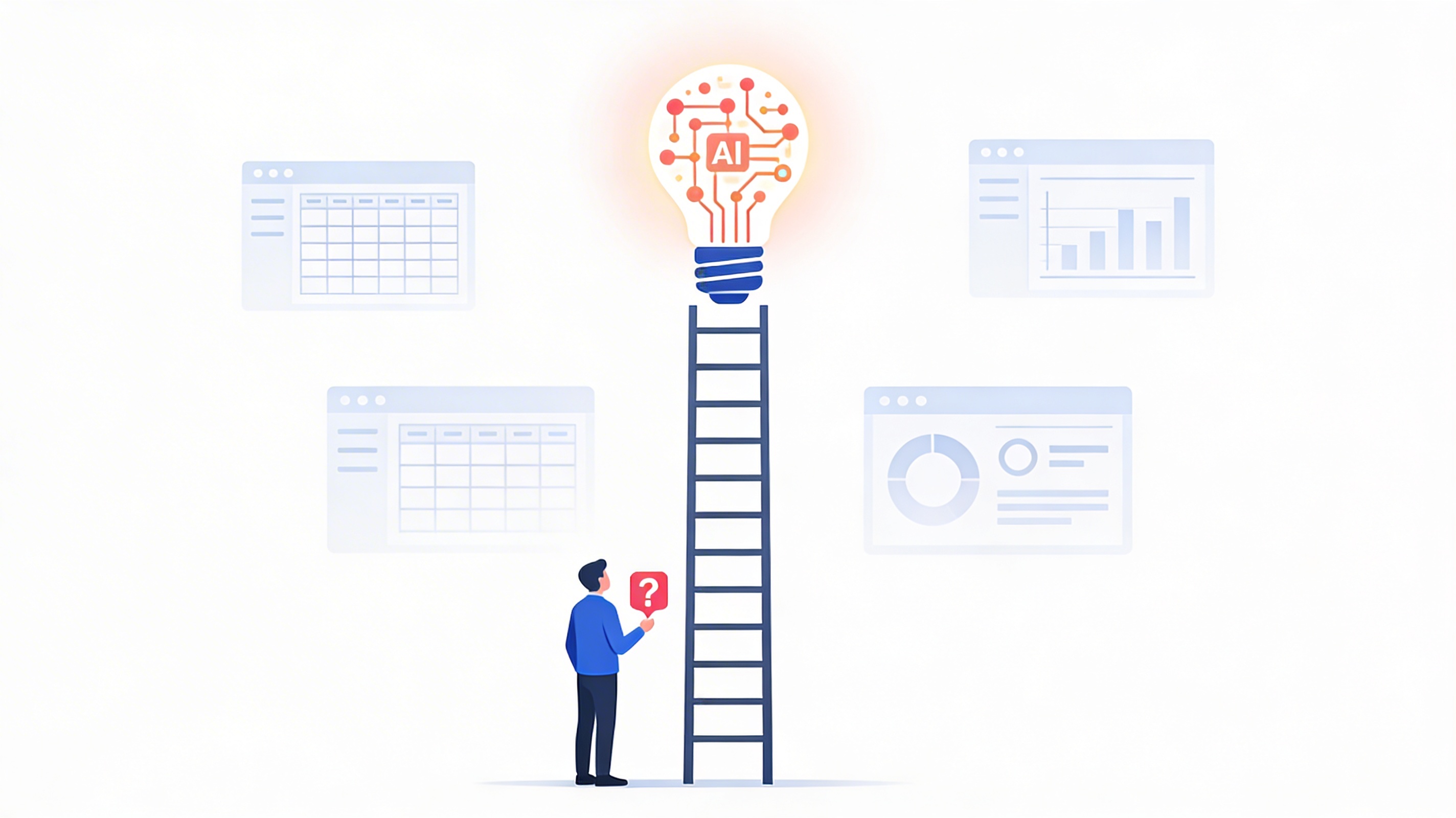
This is why my research is strongly oriented toward small and medium-sized enterprises and entrepreneurs. SMEs sustain the productive fabric of many countries, yet they compete under very different conditions than large corporations. They face barriers such as limited resources, lack of time, financial constraints, and restricted access to advanced technologies or specialised teams. Many simply cannot afford a dedicated data professional to help them navigate an increasingly complex and rapidly changing environment. My goal is to help make modern, data-driven and AI-based decision tools accessible to these organisations, so they can become more competitive and gain greater control over their future.
This purpose naturally leads me to focus on long-term decision-making. Understanding and measuring impact over time is extremely difficult, especially in business contexts. We rarely know the real consequences of our decisions until much later, if ever. Bringing more structure and clarity to long-term reasoning, which has traditionally been studied in fields such as logistics and finance, could be highly valuable not only for companies but also at a personal level. I believe that improving how we think about long-term decisions can have a meaningful impact that extends beyond organisations and into everyday life.
Another strong motivation for me is the desire to learn. In professional environments, it is easy to fall into routine, operate on autopilot, and slowly stop challenging yourself. Research is a conscious choice to avoid that. I want to continue learning deeply, refining my technical and analytical skills, and developing ways of thinking that are difficult to acquire outside of academic research. I am convinced that the skills developed through research have a lasting impact on both my professional path and my personal growth.
I am also genuinely passionate about my topic. I am deeply interested in data science applied to organisations, as well as the psychological and philosophical aspects of how humans interact with these technologies. In my professional experience, I often see projects fail not because of a lack of technology, but because of a gap between technical solutions and real human decision-making. Closing that gap means fewer wasted opportunities and, ultimately, more freedom for individuals and organisations.
Finally, I truly enjoy discussing ideas and explaining complex concepts to non-technical audiences. This has motivated me to work on improving my communication skills and to become more effective at translating theory into practical applications. I have found real satisfaction in applying these tools, sharing my journey, and hopefully inspiring others to seek more autonomy, meaningful work, and the best version of themselves through knowledge and thoughtful decision-making.