More Than the Model: What I Actually Do as a Data-Driven Change Leader
Published:
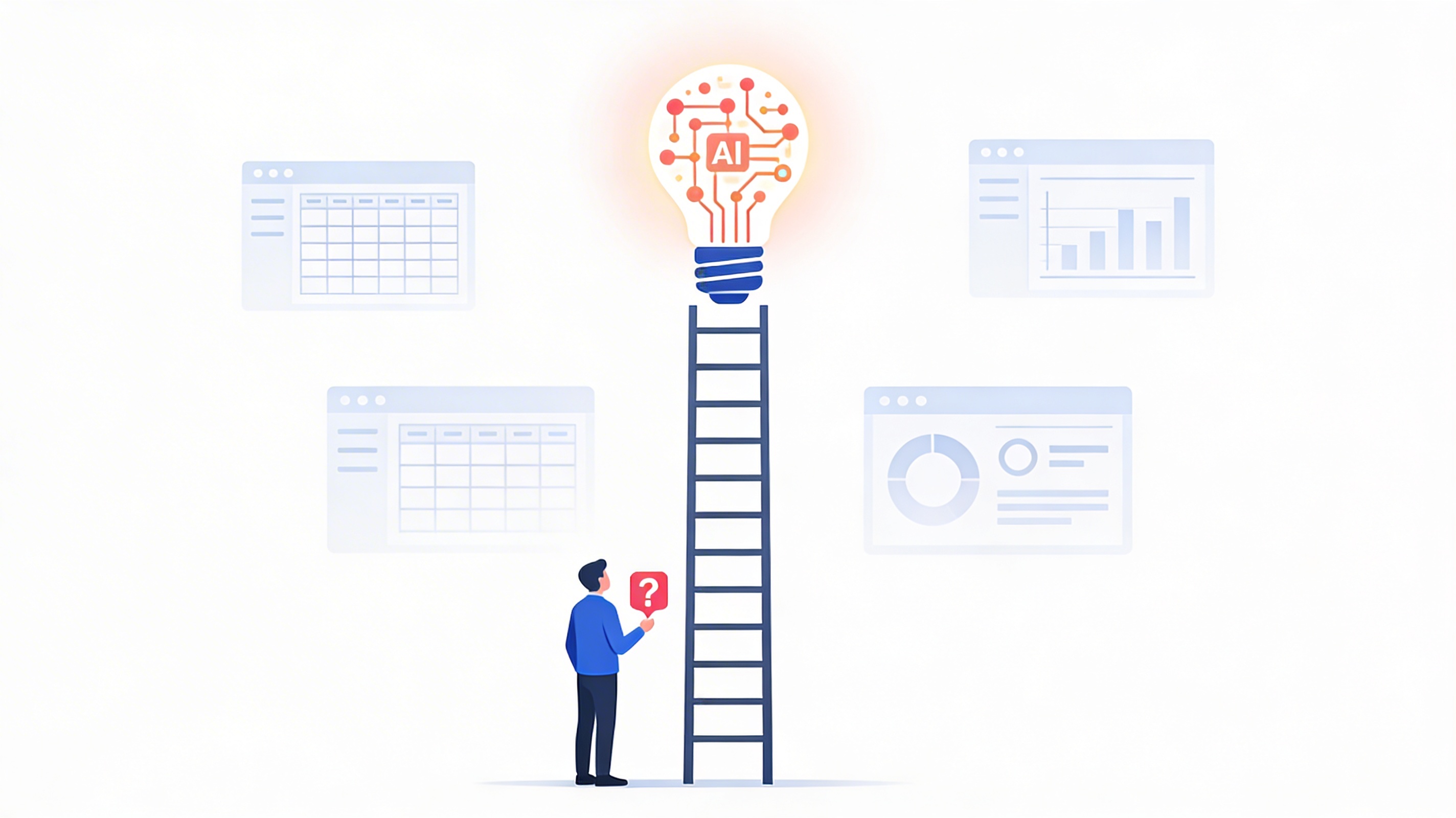
When people ask what I do, the easy answer is “data and AI”. The honest answer is harder: I help organizations decide better.
That gap, between the tools and the decisions, is where my actual job lives.
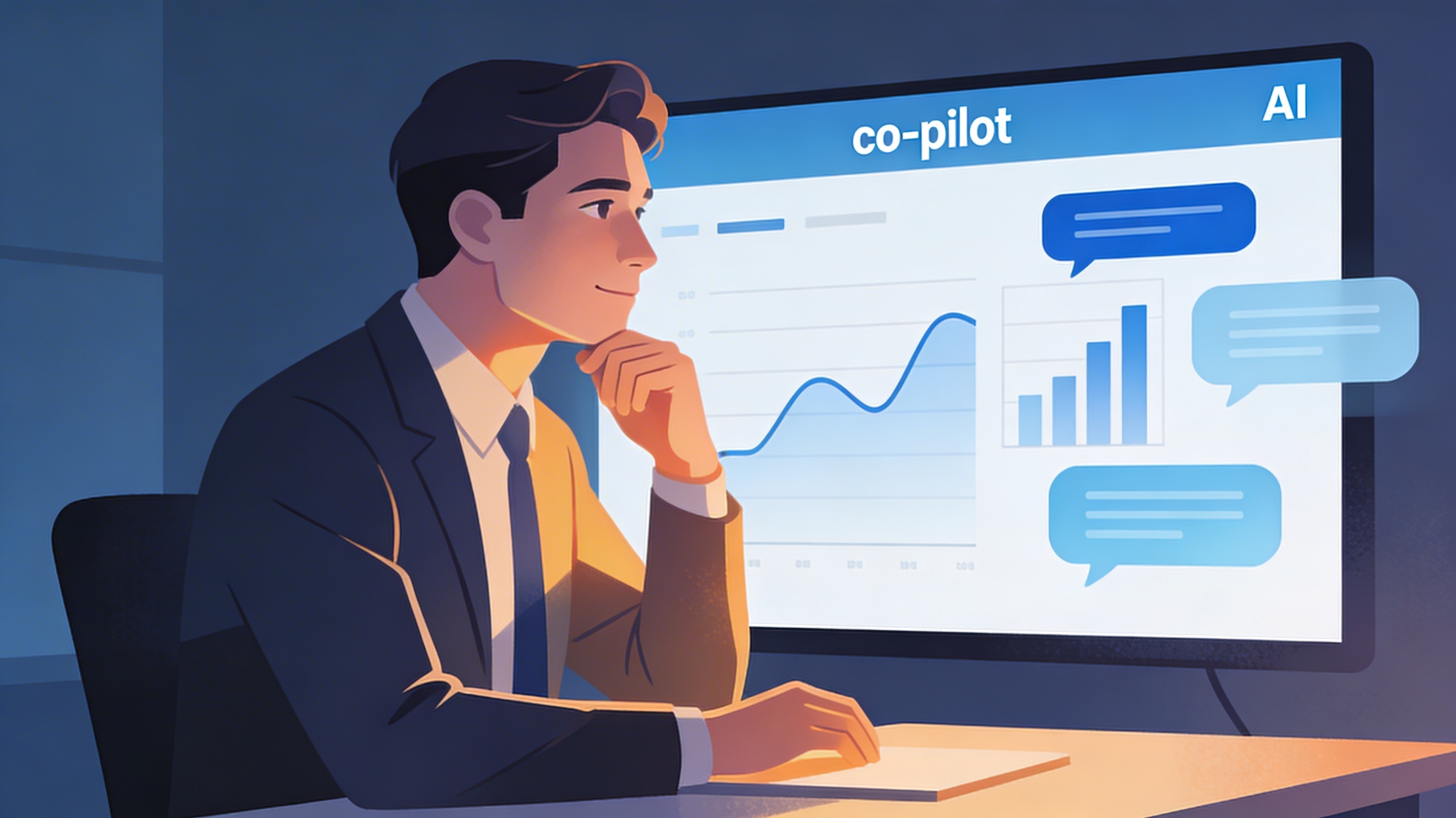
Most people assume the role is technical: build the pipelines, train the models, ship the dashboards. I do that work. But I learned early that the hardest problems in a data-driven transformation are rarely technical. They’re human.
A model nobody trusts doesn’t get used. A dashboard that answers a question nobody asked just adds noise. And the smartest analytics in the world won’t help if business and engineering are speaking two different languages and quietly competing over who owns “the truth”.
So most of what I really do is translate between worlds.
Between business and engineering. Between analysts and executives. Between the company and its external partners, universities, and pilot clients. My job is to make data a shared meeting point, not a weapon of power.
In practice, that breaks down into a few roles I play at the same time:
- Interpreter between business language, analytical language, and the language of the board.
- Designer of decision processes that are robust and don’t collapse when one key person leaves or one critical spreadsheet breaks.
- Cultural facilitator who names the real resistance, the fears, the incentives, the inherited habits, instead of pretending change is purely rational.
- Alliance builder, inside and outside the organization.
- Ethical and methodological reference for using AI to support decisions, not to replace human judgment.
I also try to resist the urge to treat change as a closed project with a finish line. In SMEs especially, the environment is volatile, uncertain, and frankly hard to fully understand. So I treat change as an adaptive capability: decide, learn, adjust, repeat. Build resilience, not just tools.
The shift I care about most is cultural: moving teams from “give me a dashboard” to “what decision are we actually trying to improve?”. Before we build anything, I want us to be able to answer three questions, which business problem are we solving, who owns the decision, and what behavior should change. If we can’t answer those, more technology will only make us faster at being confused.
And here’s how I measure whether any of it worked. Not by the number of models or dashboards we shipped. By whether decisions became clearer, more consistent, and more connected to real outcomes. By whether the organization depends less on heroes and fragile files, and more on a shared language and traceable logic.
That’s the role. Not having more technology than the company next door, but building the capability to ask better questions, decide better, and learn faster, without losing human judgment along the way.
The model is the easy part. The culture is the work.
#ChangeManagement #DataDrivenCulture #StrategicDecisionMaking #Leadership #ArtificialIntelligence #SMEs #DataGovernance #DigitalTransformation