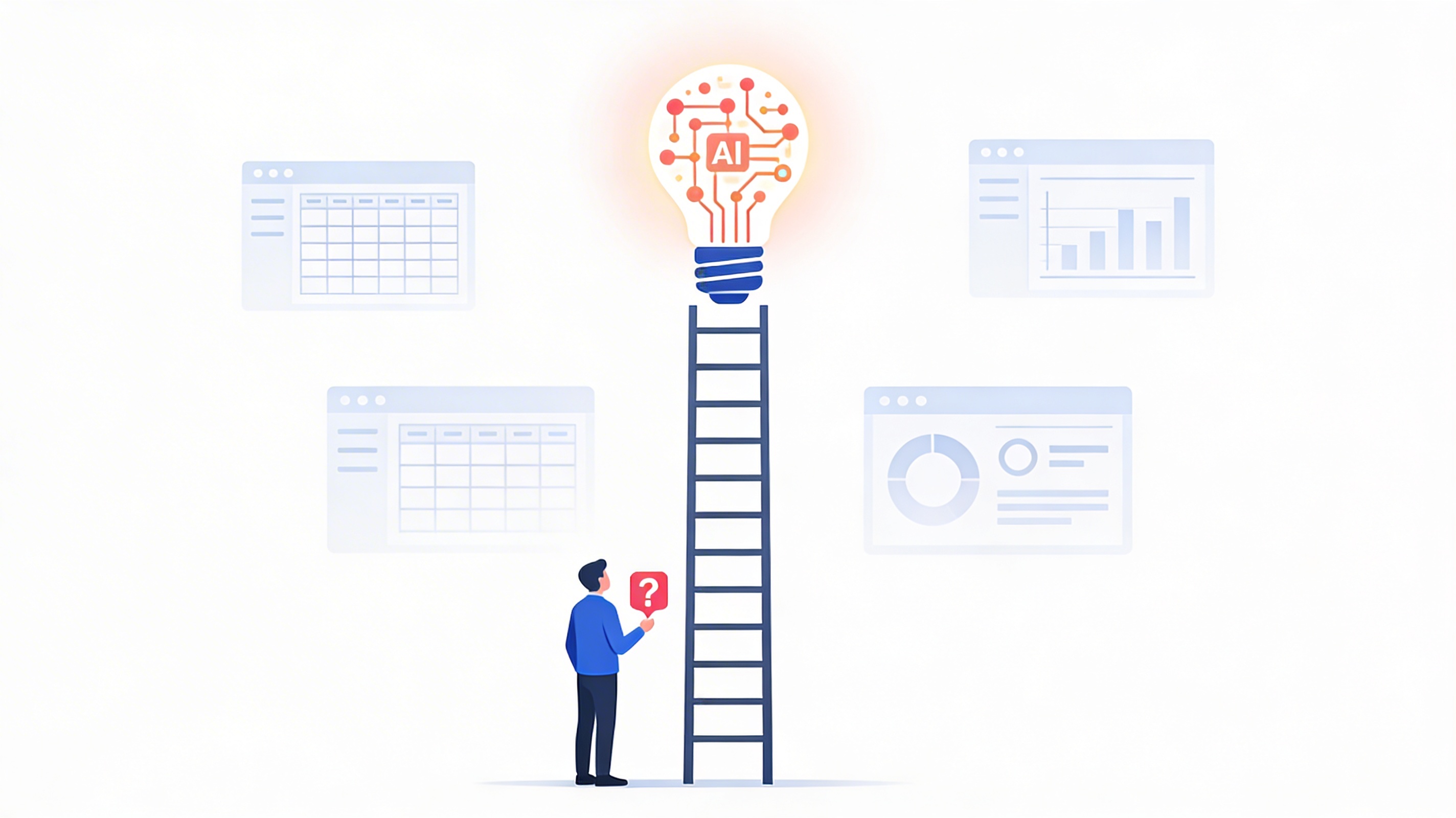
Something Big Is Happening: AI, Burnout, and the Future of Work
Published:
AI is transforming work in profound ways, but not in a single, linear direction. On one side, reports like the World Economic Forum’s “Four Futures for Jobs in the New Economy” and McKinsey’s estimates of up to 15–30% of hours that could be automated by 2030 show that displacement and job churn are likely, even if new roles are created in parallel [3][4]. At the same time, early labour‑market data from the Yale Budget Lab suggests that, so far, the overall impact on employment levels is still relatively modest and more evolutionary than catastrophic, which reminds us that a lot depends on how quickly workers and institutions adapt [5].
However, what really concerns me is not only whether jobs disappear, but how AI is being integrated into the day‑to‑day reality of those who keep their jobs. The UC Berkeley study reported in Fortune shows that AI tools can significantly boost output and expand the range of tasks people can handle, but this often comes at the cost of breaks, boundaries and, eventually, well‑being. Workers describe using AI to fill every gap in their schedule, leading to cognitive fatigue and a blurring of work–life limits rather than the promised “work less for the same results” [1].
In parallel, voices like Matt Shumer describe how, for some knowledge workers, AI is already capable of doing entire workflows end‑to‑end, “better than they would have done themselves”, which creates a new kind of psychological pressure: if the system can do the work, what is left for the human, beyond supervising or validating? His viral essay captures both the excitement and the anxiety of realizing that, if your job happens on a screen, AI is coming for a significant part of it much sooner than many expected. That mix of acceleration and uncertainty is precisely what can fuel the burnout dynamics seen in the Berkeley research [1][2].
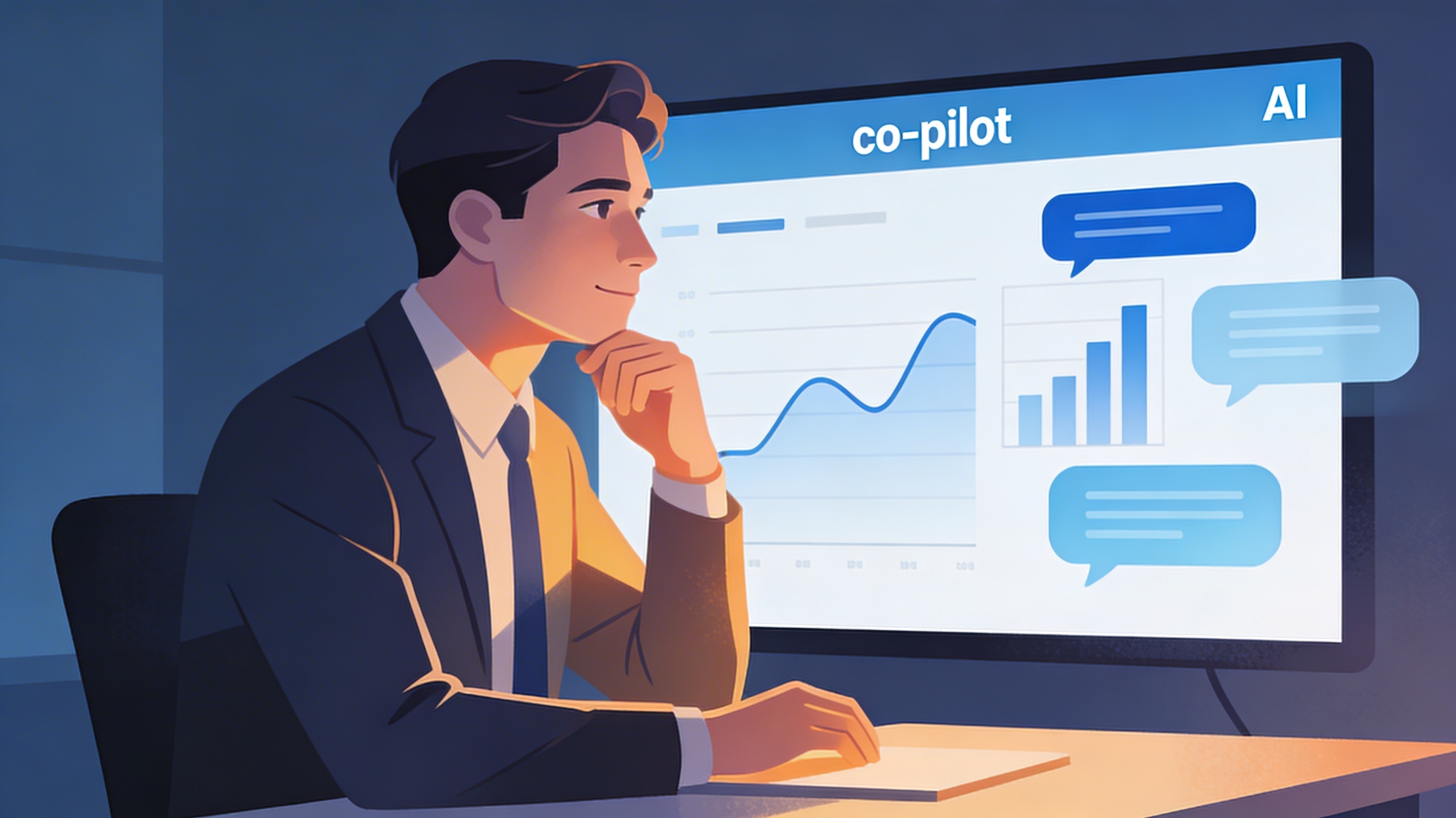
Personally, I don’t want AI just to make us do more things faster; I want AI to help us think better. The more strategic scenarios outlined by the World Economic Forum, like the “co‑pilot economy”, explicitly assume a model where AI augments human judgment rather than replacing it, but they also warn that this depends on serious investment in skills, governance and social protections [4]. For me, a “humanized AI” is one that creates space for reflection, learning and creativity, instead of compressing every minute of our attention into yet another task.
This is why I see the real challenge not only in the technology itself, but in the choices we make around it as professionals, leaders and policymakers. Every decision about how we deploy AI in organizations has consequences for workers’ skills, autonomy and mental health, and we are still far from fully understanding or measuring those effects.
That is also why, in my case, I am drawn to studying this topic in depth in my thesis: I would like to quantify, as rigorously as possible, how AI adoption changes productivity, burnout and decision quality in real workplaces. If we manage to build and govern AI in a way that truly supports human judgment, rather than replacing or overloading it, while challenging us to think better, learn continuously, and improve our decisions, then the “future of work” can be more than a slogan. It can become a future where technology and people actually make each other better.
References:
1 - Fortune (2026, 10 February). In the workforce, AI is having the opposite effect it was supposed to, UC Berkeley researchers warn. https://fortune.com/2026/02/10/ai-workforce-productivity-burnout-uc-berkeley-research/
2 - Shumer, M. (2026, 9 January). Something big is happening. X (formerly Twitter). https://x.com/mattshumer_/status/2021256989876109403
3 - McKinsey Global Institute. (2017). Jobs lost, jobs gained: What the future of work will mean for jobs, skills, and wages. McKinsey & Company. https://www.mckinsey.com/featured-insights/future-of-work/jobs-lost-jobs-gained-what-the-future-of-work-will-mean-for-jobs-skills-and-wages
4 - World Economic Forum. (2025). Four futures for jobs in the new economy: AI and talent in 2030. https://www.weforum.org/publications/four-futures-for-jobs-in-the-new-economy-ai-and-talent-in-2030/
5 - The Budget Lab at Yale. (2026, 27 January). Evaluating the impact of AI on the labor market: Current state of affairs (November–December CPS update). Yale University. https://budgetlab.yale.edu/research/evaluating-impact-ai-labor-market-novemberdecember-cps-update